Source Ear Protection Beanie for Sports, Work, and Winter
Find 30 Ear Protection Beanie options for sports, work, and winter use. Compare features like windproof design, lightweight materials, and customizable logos to find the right fit for your needs.
Key considerations
Products List


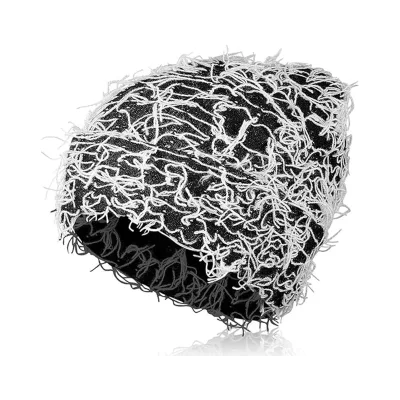
Winter Windproof Hat/Thickened Warm Ear Protection Scarf Mask All-in-One Hat
$3.40 - $3.50
MOQ: 500 Pieces


Safety Ear Protectors ABS Soundproof 22db Earplugs CE Protective Earmuff
$0.85 - $0.95
MOQ: 1000 Pieces


Industrial Safety Helmet Safety Ear Protection Hearing Protections Earmuff
$44.63 - $46.57
MOQ: 200 pieces



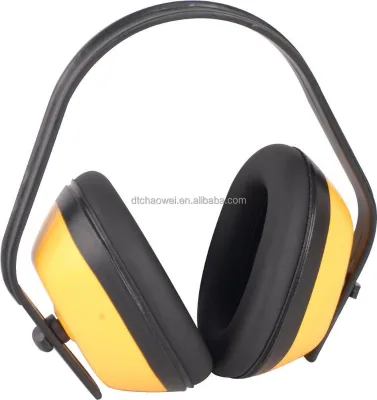
Tacband Sound Proof Safety Headband Anti Noise Passive Hearing Protection Earmuffs
$5.49 - $5.99
MOQ: 200 Pairs

Comprehensive Sourcing Guide
Ear Protection Beanie Sourcing Guide
Sourcing ear protection beanies requires a nuanced understanding of the intersection between thermal comfort and acoustic safety. These hybrid products are designed to provide warmth in cold environments while simultaneously offering noise reduction for industrial, outdoor, or recreational use. Buyers must distinguish between fashion-oriented knit hats with minimal acoustic properties and engineered safety gear that meets specific hearing protection standards. The decision hinges on whether the primary need is thermal insulation with incidental noise dampening or certified protection against hazardous noise levels.
The market offers a wide variety of configurations, ranging from simple fleece-lined beanies to complex units integrating electronic components or high-density foam liners. Procurement teams must evaluate the intended use case carefully, as the performance characteristics vary significantly across product types. For instance, a beanie designed for casual winter sports may prioritize breathability and style, whereas one intended for construction sites or shooting ranges must prioritize fit stability and verified Noise Reduction Ratings (NRR). Understanding these distinctions is critical to avoiding procurement errors that could compromise worker safety or user satisfaction.
Product Scope and Observed Listing Signals
The current market landscape for ear protection beanies reveals a diverse array of product attributes and commercial terms. Analysis of available listings indicates a price range of $0.02 to $46.57 USD, reflecting the vast difference between basic textile items and advanced electronic or certified safety gear. The Minimum Order Quantity (MOQ) varies widely, from as low as 10 units for sample or small-batch orders up to 200,000 units for large-scale industrial procurement. This disparity suggests that buyers should align their order volume with the supplier’s production capacity and pricing tiers to optimize cost efficiency.
Observed product specifications highlight several key trends in material composition and design. Common materials include acrylic, wool, fleece, and polyester, often combined to balance warmth, durability, and cost. Many listings emphasize customization options, such as custom logos and specific colorways, which are essential for corporate branding or team uniformity. Additionally, features like windproofing, water resistance, and foldability are frequently cited, indicating a strong market demand for versatile gear suitable for both indoor and outdoor applications. Buyers should verify these claims against actual product samples to ensure they meet operational requirements.
Technical Specifications to Verify
When evaluating ear protection beanies, the fit and sizing are paramount to ensuring both comfort and effective noise isolation. Standard sizes often range from 56-60cm in circumference, accommodating a broad spectrum of head shapes. However, buyers must confirm whether the product includes adjustable features, such as elastic bands or drawstrings, to secure the beanie firmly in place. A loose fit can compromise the seal around the ears, significantly reducing the effectiveness of any integrated ear protection components. Therefore, verifying the adjustability and stretch properties of the material is a critical step in the selection process.
The acoustic performance of the beanie is another vital technical specification that requires rigorous verification. Some products are marketed with specific Noise Reduction Ratings (NRR), such as 28dB, which indicates the level of sound attenuation provided. Buyers should request test reports or certification documents to validate these claims, as unverified NRR values can lead to inadequate protection in noisy environments. Additionally, the type of connector or integration method, whether wireless electronic components or passive foam inserts, should be clearly defined. Understanding the mechanism of noise reduction helps in selecting the appropriate product for the specific noise profile of the work or activity environment.
Compliance and Safety Documentation
Regulatory compliance is non-negotiable for ear protection beanies intended for industrial or professional use. Buyers must ensure that products meet relevant safety standards, such as CE, ISO, or ANSI certifications, depending on the target market. These certifications verify that the product has undergone rigorous testing for noise reduction efficacy, material safety, and durability. Without proper documentation, there is a risk of procuring non-compliant gear that may fail to protect users from hearing damage, leading to potential legal liabilities and health risks.
In addition to acoustic standards, material safety and environmental compliance should be reviewed. Certifications related to chemical safety, such as REACH or RoHS, may be relevant if the beanie contains synthetic materials, dyes, or electronic components. Buyers should request Material Safety Data Sheets (MSDS) and test reports to confirm that the products are free from harmful substances. Furthermore, for products claiming specific performance features like windproof or waterproof capabilities, buyers should verify the testing methods used to substantiate these claims, ensuring they align with industry best practices.
Cost Drivers and Commercial Terms
The cost of ear protection beanies is influenced by several factors, including material quality, customization complexity, and order volume. Basic polyester or acrylic beanies with minimal customization tend to be on the lower end of the price spectrum, while those with advanced features like electronic noise cancellation or high-density foam liners command higher prices. Customization, such as embroidered logos or specific color matching, adds to the production cost and may affect the MOQ. Buyers should negotiate pricing based on the total value proposition, considering both unit cost and the longevity of the product.
Commercial terms, including lead times and payment conditions, also play a significant role in the procurement process. Typical delivery dates range from 10-15 days for standard items to 25-30 days for customized or complex orders. Buyers should plan their inventory accordingly to avoid stockouts, especially during peak seasons. Additionally, packaging details, such as carton packing with specific quantities per box, impact logistics and storage costs. Understanding these terms allows for more accurate budgeting and supply chain planning, ensuring a smooth procurement experience.
Supplier Qualification and Quality Control
Selecting a reliable supplier is crucial for obtaining high-quality ear protection beanies. Buyers should assess suppliers based on their production capabilities, quality control processes, and track record. Suppliers with certifications like ISO 9001 demonstrate a commitment to quality management systems, which can lead to more consistent product quality. Additionally, suppliers that offer customization services should have robust design and prototyping processes to ensure that custom logos and specifications are accurately implemented.
Quality control measures should be established before placing large orders. Buyers should request samples to evaluate the fit, material quality, and acoustic performance of the beanies. It is also advisable to conduct third-party inspections or audits of the supplier’s facilities to verify their production standards. Establishing clear quality acceptance criteria, such as acceptable defect rates and performance benchmarks, helps in maintaining product consistency. Regular communication with the supplier regarding quality feedback can foster a collaborative relationship and improve future orders.
Long-Term Procurement Checks
Long-term procurement success depends on continuous monitoring of product performance and supplier reliability. Buyers should gather feedback from end-users to assess the comfort, durability, and effectiveness of the ear protection beanies in real-world conditions. This feedback can inform future purchasing decisions and help identify areas for improvement in product design or supplier selection. Additionally, staying updated on changes in safety regulations and industry standards ensures that the procured products remain compliant and effective over time.
Building a diversified supplier base can mitigate risks associated with supply chain disruptions. Buyers should identify alternative suppliers who can meet their quality and volume requirements, providing flexibility in case of primary supplier issues. Regularly reviewing commercial terms and market prices helps in negotiating better deals and maintaining cost efficiency. By maintaining a proactive approach to supplier management and product evaluation, buyers can ensure a steady supply of high-quality ear protection beanies that meet their operational and safety needs.
FAQs
Can I customize the logo on the Ear Protection Beanie?
Yes, you can customize the logo on the Ear Protection Beanie as the product supports custom logos. This feature allows buyers to add their branding to the item, which is available for unisex use and comes in various styles like striped or character themes.
What is the minimum order quantity for these beanies?
The minimum order quantity varies by product, with observed values ranging from 10 to 200,000 units. Specific models list MOQs of 100 or 500 pieces, so buyers should check the specific product model details to confirm the exact threshold for their order.
How long does it take to receive the order?
Delivery times typically range from 10 to 30 days depending on the specific product and supplier. Some items have a lead time of 10-15 days, while safety earmuffs may require 25-30 days for production and shipping from the origin location.
Which certifications do the ear protection beanies hold?
Certain ear protection products in this category hold CE, ISO, and ANSI certifications. These standards ensure the safety earmuffs meet specific regulatory requirements for noise reduction and protection, making them suitable for industrial or outdoor safety applications.
What materials are used to make the Ear Protection Beanie?
Materials include acrylic, wool, fleece, and polyester depending on the specific model. Some beanies are designed for winter warmth using knitting techniques, while others focus on windproof and waterproof features for outdoor riding or sports activities.
Are these beanies suitable for winter sports use?
Yes, the beanies are designed for winter use with features like keeping warm, windproofing, and sun protection. They are applicable for sports, outdoor activities, and casual wear, offering lightweight and quick-dry properties for active users in cold conditions.